Why We Keep Rewatching the Same Shows in a World Full of New Content

The Strange Comfort of Watching Something You Already Know
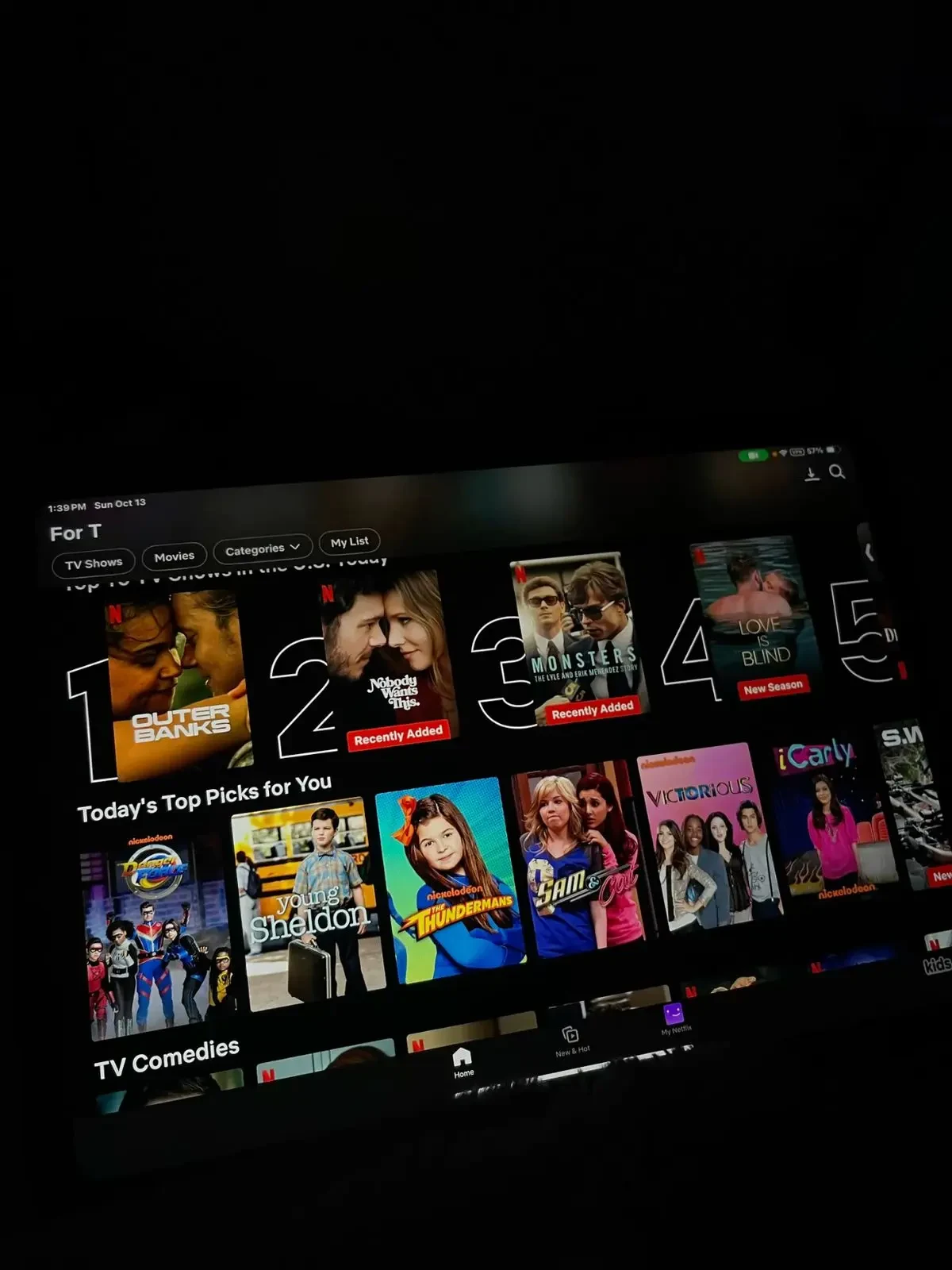
There is something slightly ridiculous about opening a streaming app, spending twenty minutes scrolling through thousands of available titles, and eventually choosing a show you have already watched three times. You know the characters, remember the jokes and can probably predict the next scene without looking at the screen. Yet somehow, that familiar episode feels more appealing than the hundreds of new releases competing for your attention.
It is a habit that crosses generations. Some people return to the sitcoms they watched growing up, while others replay childhood cartoons, revisit old Nollywood classics or leave familiar television shows playing in the background while they work. The specific title might change, but the appeal is remarkably similar. We are not always looking for something new to discover. Sometimes, we simply want to spend time in a world we already understand.
This behaviour has become particularly interesting in the streaming era, when entertainment companies compete to release new films and series while older titles continue attracting enormous audiences. Research published by audience measurement company Digital i in October 2025 found that the share of US streaming viewing devoted to series that originally launched more than ten years earlier rose from 32% in the first half of 2021 to 37% in the first half of 2025. Older entertainment is not merely surviving alongside new releases. It remains a substantial part of what people choose to watch. (Digital I)
So why do we keep returning to stories whose endings we already know?
Familiarity Can Be More Appealing Than Surprise
One explanation is that familiar entertainment asks very little of us. When we start a new series, we have to learn the characters, understand the relationships, follow unfamiliar storylines and decide whether the experience is worth our time. A show we already love removes much of that uncertainty. We know what we are getting, and that predictability can be comforting after a long or stressful day.
Think about the difference between watching the first episode of an unfamiliar drama and putting on a comedy you have loved for years. The new drama might be objectively excellent, but it still requires attention. You have to remember names, interpret motivations and become invested in a story that has not yet earned your affection. The familiar comedy offers an easier entry point. You can enjoy it without concentrating on every detail, and even an episode you have forgotten becomes an opportunity to rediscover something you liked.
This does not mean people are incapable of appreciating new entertainment. It means that watching something is not always an active search for the best possible story. Sometimes entertainment is a way to relax, fill a quiet room or create a sense of routine. In those moments, familiarity can be more valuable than novelty.
Nostalgia Is More Than Missing the Past
Nostalgia is often described as a longing for an earlier period in life, but revisiting old entertainment can involve more than remembering what happened on screen. A particular theme song might remind someone of school holidays, family gatherings or evenings spent watching television with siblings. An old cartoon can bring back memories of a time when entertainment felt simpler and responsibilities were fewer.
The show becomes connected to the circumstances in which we first experienced it. Watching it again offers a way to reconnect with those memories, even if the original experience cannot be recreated. The animation might look dated, the jokes might land differently and the characters might seem less sophisticated than we remember. Nevertheless, the emotional association remains.
This helps explain why people can become deeply attached to programmes they have not watched in years. The attachment is not necessarily about the quality of the writing or production. It is also about the role the programme played in their lives.
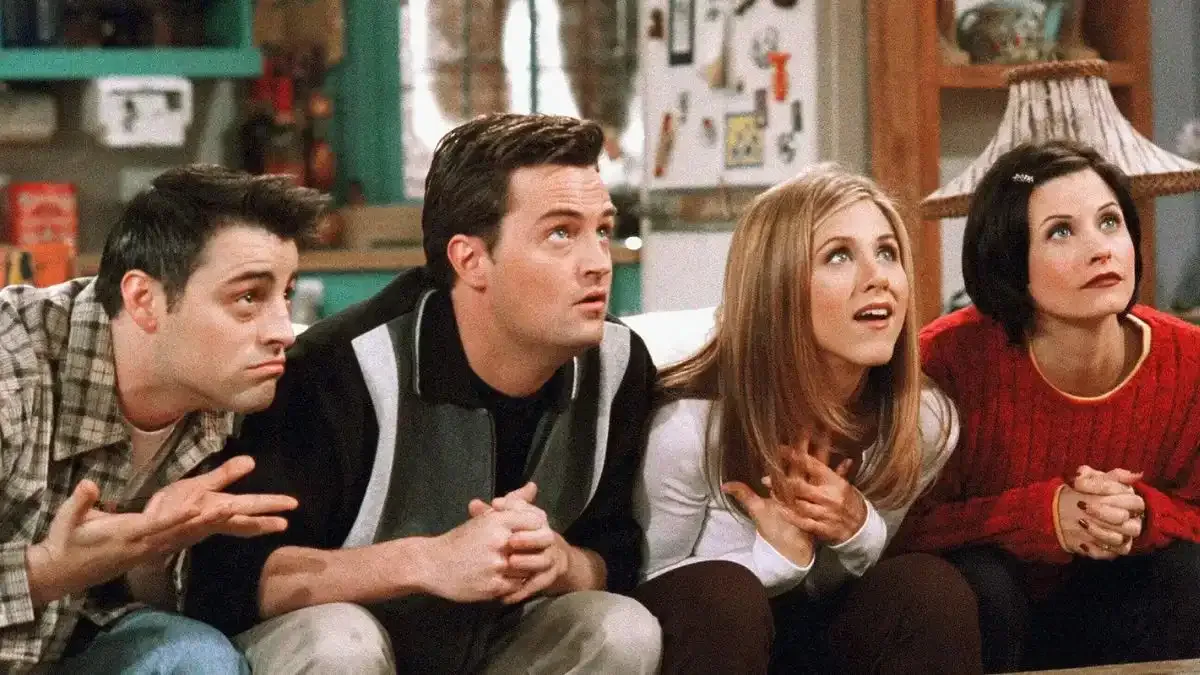
Consider someone revisiting The Fresh Prince of Bel-Air, Friends, Tom and Jerry or an old Nigerian family drama. The experience may be partly about the show itself, but it can also be about remembering who they were when they first watched it. In that sense, familiar entertainment becomes a small bridge between the person we are today and the person we used to be.
Too Much Choice Can Make Choosing Harder
The streaming era promised to make entertainment easier to access. Instead of waiting for a television station to broadcast a particular film, viewers could search enormous catalogues and watch almost anything whenever they wanted. That freedom remains one of streaming's greatest advantages, but it comes with an unexpected problem: deciding what to watch can become an activity of its own.
When the options appear endless, choosing one can feel surprisingly difficult. You might read several descriptions, watch multiple trailers, compare ratings and still feel uncertain about your decision. By the time you settle on something, you may have spent more time searching than watching.
A familiar show eliminates much of that friction. There is no need to investigate whether the story is good, whether the ending is satisfying or whether the characters are worth getting attached to. You already know the answers. Choosing an old favourite is therefore not always a rejection of new ideas. Sometimes it is simply the easiest way to start enjoying yourself.
Streaming platforms have recognised the value of this familiarity. Digital i's 2025 research found that older series accounted for a growing share of viewing time across major subscription services in the United States. Its findings suggest that a streaming library's value is not determined exclusively by the number of new titles it can advertise. The ability to revisit established favourites is also part of what makes a service useful. (Digital I)
For entertainment companies, that creates an interesting business reality. Producing a new hit can attract attention, but an established series may continue giving viewers a reason to return long after its original run has ended.
New Content Still Matters, but So Does Comfort
It would be easy to interpret this trend as evidence that audiences are becoming less adventurous. After all, if viewers repeatedly choose familiar programmes, does that mean they are losing interest in original stories?
Not necessarily. People can enjoy discovering a new film on Friday and spend Sunday rewatching a favourite sitcom. The two experiences serve different purposes. New entertainment provides surprise, curiosity and the pleasure of discovering something unexpected. Familiar entertainment offers reassurance, continuity and the enjoyment of returning to characters we already know.
The distinction matters because the entertainment industry sometimes treats novelty as though it were the only measure of progress. Every new release arrives with promotional campaigns, recommendations and promises that it is the next programme everyone needs to watch. Yet audiences do not experience entertainment as a continuous competition to discover the latest hit. They also use it to rest, revisit memories and spend time with stories that have become part of their lives.
There is evidence of this tension in the market. Deloitte's 2026 Digital Media Trends research reported that consumers remain sensitive to streaming prices, with 61% of surveyed respondents saying they would cancel their favourite service if its monthly price increased by $5. The research also highlighted the importance of fandom and sustained engagement. Although these findings concern the US market, they illustrate a broader challenge for streaming businesses: audiences want entertainment that feels worth paying for, and familiarity can be part of that value. (Deloitte)
A platform that offers an excellent catalogue of new releases but removes the programmes people love may not feel as indispensable as its executives expect. For many viewers, the appeal lies in having both possibilities available: something exciting to discover and something reliable to return to.
What This Means for the Future of Entertainment
As streaming libraries grow and entertainment becomes increasingly personalised, the distinction between discovering something new and revisiting something familiar may become even more important. Recommendation systems already help viewers find content based on their interests, but there is a difference between recommending a title because it resembles something a person enjoyed and recognising that the person might simply want to revisit an old favourite.
There is also an opportunity for older entertainment to reach audiences who missed it the first time around. A programme that originally aired decades ago can find an entirely new generation through streaming, clips, online discussions and recommendations. Younger viewers can discover it without needing to follow the television schedules or distribution systems that once determined who could watch it.
For Nigerian entertainment, the possibilities are particularly interesting. Older Nollywood films, classic television programmes, vintage comedy and early Nigerian music videos are all part of the country's cultural memory. Making these works easier to discover and access could introduce younger audiences to the creative history that helped shape today's entertainment industry. It could also preserve a record of how Nigerian storytelling, humour, fashion and everyday life have changed over time.
However, that opportunity depends on more than nostalgia alone. Older works need to be preserved, properly archived and made available through legitimate channels. Without those efforts, parts of our entertainment history risk becoming increasingly difficult to find, even as newer productions reach larger audiences.
The future of entertainment does not have to involve choosing between the past and the present. It can make room for both.
Sometimes, We Just Want to Feel at Home
Perhaps the most interesting thing about comfort viewing is how ordinary it is. We often talk about entertainment in terms of quality, popularity, production budgets and cultural impact, but the relationship between a viewer and a favourite show can be much more personal. A programme does not have to be groundbreaking to become meaningful. Sometimes it simply has to be there when we need it.
That may be why a familiar episode can feel so satisfying in a world that constantly demands our attention. New releases compete for our time, social media fills every quiet moment and recommendation systems keep suggesting what we should watch next. Returning to something familiar offers a small break from that endless stream of decisions.
We will continue looking for new stories, discovering new filmmakers and getting excited about the next big release. But we will also keep returning to the characters, films and programmes that already mean something to us.
In a world obsessed with what comes next, there is something reassuring about knowing that an old favourite will still be there when we return.